
Cardamom and Human Health: Reframing a Traditional Spice in Contemporary Wellness Paradigms
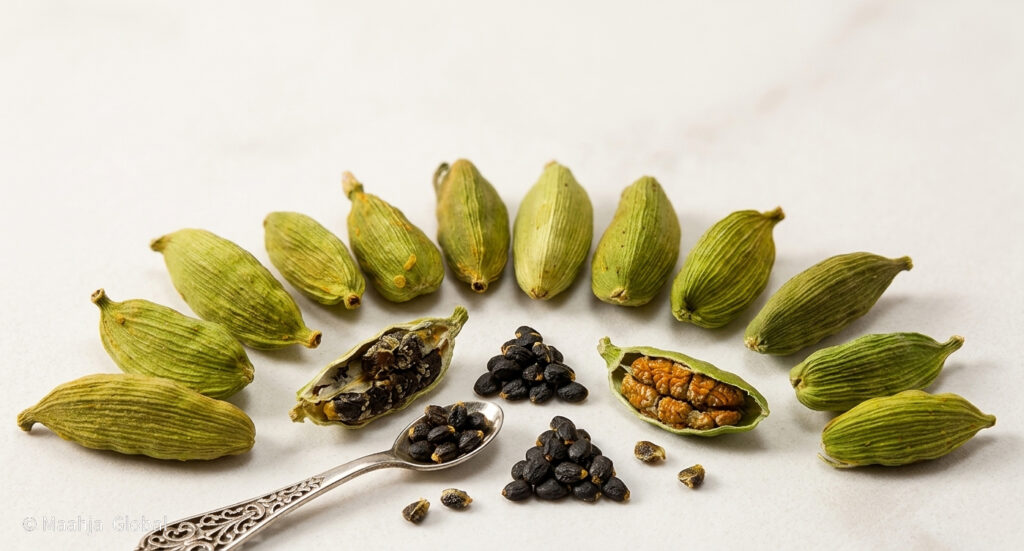
Cardamom (Elettaria cardamomum), long revered as the “Queen of Spices,” occupies a distinctive space at the intersection of gastronomy, traditional medicine, and modern nutritional science. Beyond its sensory appeal, cardamom represents a bioactive-rich commodity with growing relevance in preventive health frameworks and functional food systems.
Phytochemical Complexity and Functional Potential
Cardamom’s health value is rooted in its diverse phytochemical profile, including essential oils such as cineole, terpinene, and limonene, alongside flavonoids and phenolic compounds. These constituents contribute to its antioxidant, anti-inflammatory, and antimicrobial properties.
From a systems perspective, such bioactive diversity positions cardamom as a natural agent capable of modulating oxidative stress pathways—one of the central mechanisms underlying non-communicable diseases. Its incorporation into diets, therefore, aligns with broader strategies aimed at reducing chronic disease burdens through food-based interventions.
Metabolic and Cardiovascular Regulation
Emerging evidence suggests that cardamom may play a supportive role in metabolic regulation. Its compounds have been associated with improved lipid profiles, enhanced insulin sensitivity, and mild antihypertensive effects.
These properties are particularly relevant in the context of rising global incidence of conditions such as Type 2 Diabetes and Hypertension. While not a therapeutic substitute, cardamom contributes to dietary patterns that emphasize metabolic resilience and cardiovascular health.
Gastrointestinal Function and Microbiome Interactions
Traditionally used as a digestive stimulant, cardamom is increasingly understood through the lens of gut health. Its ability to enhance enzyme secretion, reduce gastrointestinal discomfort, and exert antimicrobial action suggests a role in maintaining microbial balance.
Given the growing recognition of the gut microbiome as a determinant of systemic health, cardamom’s digestive benefits extend beyond symptom relief to potential modulation of gut–brain and gut–immune axes.
Respiratory and Anti-Inflammatory Effects
Cardamom’s volatile oils have demonstrated bronchodilatory and mucolytic properties in traditional applications. These effects may support respiratory function by improving airflow and reducing congestion.
Simultaneously, its anti-inflammatory potential contributes to broader physiological benefits, particularly in conditions characterized by chronic low-grade inflammation—an increasingly recognized risk factor across multiple disease categories.
Oral and Antimicrobial Health Dimensions
The antimicrobial efficacy of cardamom extends to oral health, where it has been traditionally used to combat halitosis and oral pathogens. Its natural compounds inhibit bacterial growth, supporting hygiene in a way that aligns with the rising preference for plant-based health solutions.
Neurocognitive and Psychosensory Implications
Cardamom’s aromatic profile is not merely sensory—it has functional implications. Volatile compounds may influence neurological pathways associated with stress modulation and cognitive alertness. This aligns with broader interest in food-based approaches to mental well-being and neuroprotection.
Integrating Cardamom into Modern Health Systems
In contemporary health discourse, there is increasing emphasis on “food as medicine.” Cardamom exemplifies this paradigm, offering a scalable, culturally accepted, and economically viable means of enhancing dietary quality.
Its integration into functional foods, nutraceuticals, and preventive health strategies presents opportunities for both public health systems and agri-food value chains. For producing countries, this also strengthens the case for positioning cardamom not merely as a spice, but as a high-value health commodity.
Conclusion
Cardamom represents a convergence of tradition and science—an ancient spice with modern relevance. Its multifaceted health benefits, supported by evolving scientific insights, underscore its potential as a strategic component in global nutrition and wellness frameworks. As dietary systems increasingly shift toward natural, preventive, and functional approaches, cardamom is well positioned to play a meaningful role in shaping the future of health-oriented consumption.